







Search Results for: wide variety

Arabica Coffee Bean Flavor and Taste Analysis: From Typica to Catuai, a Complete Guide to Pour-Over Single-Origin Bean Varieties
Global coffee varieties are mainly divided into three major categories: Arabica, Robusta, and Liberica. Among them, Arabica occupies about 70% of total production thanks to its superior flavor, and it is also the primary bean type used by specialty coffee shops. Front Street Coffee's offerings are basically all made with Arabica beans. Arabica has many sub-varieties, each with its own characteristics, such as Typica, Bourbon, Caturra, and Catuai. This article will systematically review the origins, morphological characteristics, cultivation performance, and flavor tendencies of these common varieties, while also briefly introducing the current status of Robusta and Liberica, to help coffee enthusiasts more clearly understand the selection logic and flavor differences of pour-over single-origin coffee beans. [more…]
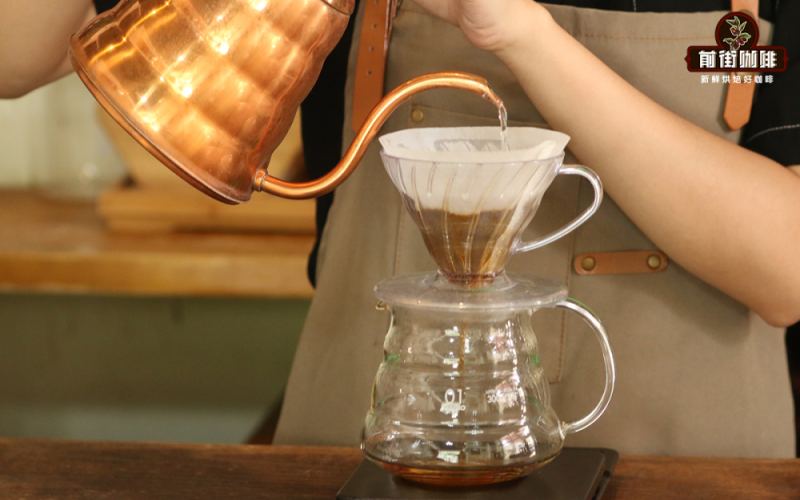
How to Determine the Coffee-to-Water Ratio for Pour-Over Coffee? How Many Beans per Cup? A Comprehensive Analysis of Single-Origin Coffee Bean Varieties
More and more people are starting to try pour-over coffee at home, but when faced with basic questions like the coffee-to-water ratio, how much coffee beans to use, and how to choose single-origin beans, they often don't know where to start. Front Street Coffee, drawing on SCA Golden Cup extraction theory, has put together a practical reference range for pour-over coffee-to-water ratios and answers the question of how many coffee beans are needed for a cup of pour-over. The article also systematically introduces the definition and standards of single-origin coffee beans, focusing on the characteristics and flavor profiles of common varieties under the Arabica species such as Typica, Bourbon, Caturra, and Catuai, while also mentioning the differences between Robusta and Liberica, helping coffee enthusiasts build a complete framework of understanding for single-origin beans. [more…]
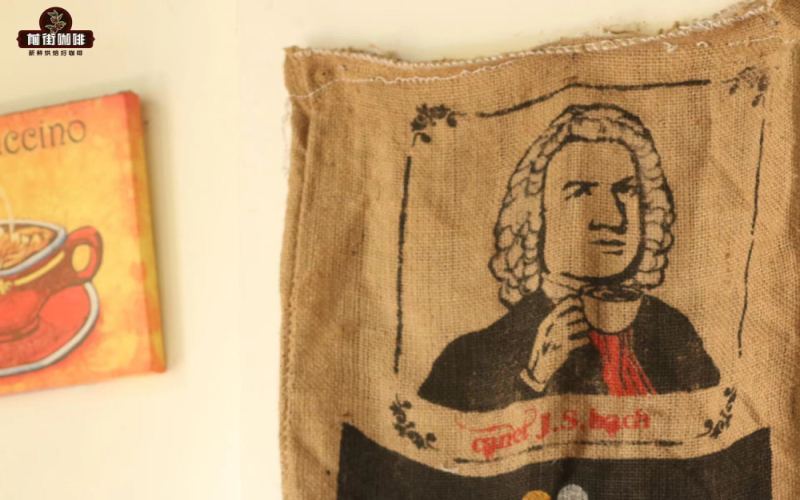
The Complete Guide to Arabica Coffee: From Variety Origins to Front Street Coffee's Recommended Bean List — Essential Pour-Over Basics
When buying coffee, what exactly does the word "Arabica" that frequently appears on packaging represent? It is not a country or a brand, but the most important species in the coffee world. This article will start from biological classification to clarify the differences between Arabica, Robusta, and Liberica, and then take a deeper look at the characteristics and flavor tendencies of mainstream varieties such as Typica, Bourbon, Caturra, Catuai, SL28/SL34, Geisha, Ethiopian heirloom varieties, and Catimor. At the same time, by combining several representative bean lists from Front Street Coffee, it helps coffee enthusiasts establish a clear understanding of the relationship between varieties and flavors at the beginner stage of pour-over coffee. [more…]

How are Coffea canephora Robusta coffee beans roasted? What coffee beans does Starbucks use?
In the world of coffee, the two major species, Arabica and Robusta, underpin the flavors in most people's cups. Robusta, also known as Coffea canephora, originated in the Congo Basin of Africa. It is widely cultivated because it tolerates low altitudes, resists pests and diseases, and yields high harvests, and it often appears in instant coffee and espresso blends. Its caffeine content is about twice that of Arabica, its chlorogenic acid is higher, and its flavor tends toward the full-bodied and deep, with notes of walnut, peanut, and grain. This article from Front Street Coffee sorts out Robusta's origins, botanical classification, advantages, and shortcomings, and retains the information on the Vietnamese Robusta beans used in Front Street's commercial blends, helping coffee enthusiasts understand this bean more clearly for what it really is. [more…]
Arabica Coffee Beans in Detail: Grade Positioning, Characteristics of Major Cultivated Varieties, Origin Sources, and Flavor Performance
Arabica coffee accounts for about 70% of global coffee production. It is the bean variety most commonly used by specialty coffee shops and the foundation of all Front Street Coffee products. It is not a single variety, but a vast family that includes numerous subcategories such as Typica, Bourbon, Caturra, and Catuai. From Front Street's perspective, this article reviews the growing altitude and growth conditions of Arabica coffee, introduces one by one the varietal origins, plant characteristics, and cup flavor differences of Typica, Red Bourbon, Yellow Bourbon, Pink Bourbon, Caturra, and Catuai, and briefly compares Robusta and Liberica, the two other major native coffee species, to help coffee lovers build a complete understanding of the Arabica coffee system. [more…]
A Comprehensive Analysis of Bourbon Coffee Beans: Variety Origins, Flavor Characteristics, and Brewing Application Guide
Bourbon coffee is one of the oldest and most influential cultivated varieties in the Arabica family. It originated on Bourbon Island in the Indian Ocean (now Réunion) and arose from a natural mutation of Typica. It is both a famous original variety and a cornerstone of coffee cultivation widely grown around the world today. Bourbon coffee is known for its prominent sweetness, balanced acidity, and clean, bright cup, often with nutty and chocolate notes, making it an ideal base bean in espresso blends. This article will systematically review Bourbon's historical origins, botanical characteristics, flavor performance, and cultivation key points, and introduce the yellow Bourbon single-origin beans from Brazil's Queen's Farm currently sold at Front Street Coffee stores, providing a practical reference for coffee enthusiasts. [more…]
How Are Arabica and Robusta Different? A Comprehensive Analysis of Coffee Bean Origins, Varieties, and Flavor Profiles
The world of coffee is far richer than one might imagine. From Arabica, which originated on the Ethiopian highlands, to Robusta from the Congo in Africa, these two major species underpin the vast majority of global coffee production. Beneath these two species, distinctive sub-varieties such as Typica, Bourbon, Caturra, Geisha, and SL-28 bring endless variation to the flavors in the cup. This article systematically sorts out the origins and variety lineages of coffee beans, explaining in detail each variety's yield characteristics, disease resistance, suitable growing altitude, and signature flavor profile, helping coffee enthusiasts build a complete framework of variety knowledge and have clearer direction when purchasing and tasting. [more…]

Robusta Coffee Flavor Analysis: A Comprehensive Interpretation from Variety Origins to Instant Coffee Ingredients
When many people first learn about coffee, they often hear variety names like Arabica and Robusta, yet they may not clearly understand the essential differences between them. From the perspective of Front Street Coffee, this article systematically sorts out the origin and classification of Robusta coffee, its main producing regions, flavor characteristics, cultivation advantages and disadvantages, and explains why it has become an important raw material for instant coffee and commercial blends. At the same time, it compares Arabica varieties to help coffee enthusiasts understand the key differences between the two major varieties in terms of altitude requirements, disease resistance, caffeine content, and cup performance, so as to gain a more comprehensive understanding of every cup of coffee they drink daily. [more…]
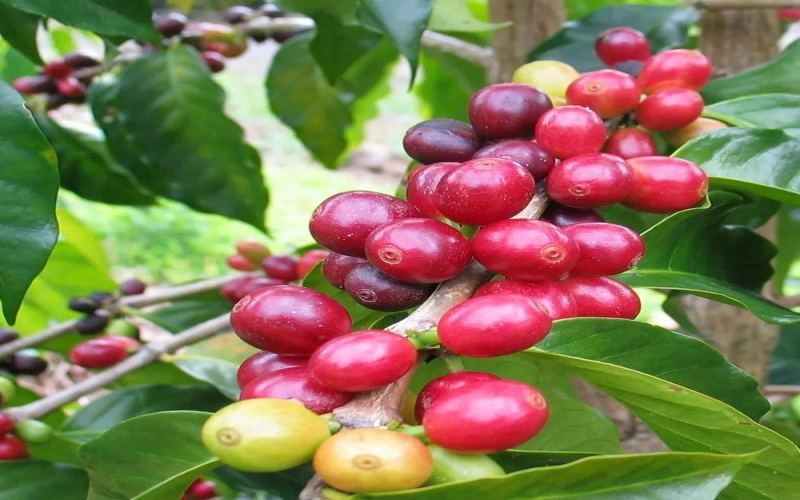
A Complete Guide to Arabica Coffee Varieties: Characteristics and Identification of Common Beans Such as Typica, Bourbon, and Geisha
Arabica, the most widely cultivated coffee species in the world, has given rise to numerous sub-varieties such as Typica, Bourbon, Geisha, and Caturra, each differing noticeably in plant morphology, bean characteristics, and cup profile. This article systematically sorts out the classification and identification points of major Arabica varieties from the perspectives of origin, botanical characteristics, and bean shape identification, while combining Front Street Coffee's brewing and purchasing suggestions to help coffee enthusiasts more clearly understand the coffee beans they encounter in daily life. [more…]
The Origin and Flavor Characteristics of Arabica Coffee Beans: A Comprehensive Analysis of Production Distribution, Quality Grades, and Brewing Applications
Arabica coffee beans are the most produced variety in global commercial coffee, accounting for 70% to 80% of total production. Its origins are closely tied to the Arabian region, and today it is widely cultivated in the equatorial highlands between 25 and 30 degrees north and south latitude. Brazil, Colombia, Indonesia, and Vietnam are major producing regions, but factors such as cultivation methods, soil fertility, rainfall, sunlight, and latitude together shape the diversity of coffee from different origins. Arabica coffee trees adapt to a wide range of altitudes, require temperatures of about 20 degrees Celsius, and need 40 to 59 inches of rainfall during the growing season. Its flavor is rich and mellow, with lower bitterness, and its caffeine content is slightly higher than that of decaffeinated products, making it suitable for evening drinking. In addition, in espresso, Robusta beans are often blended in to enhance crema and mouthfeel. This article will systematically review the origins, flavor characteristics, quality grades, and origin knowledge of Arabica beans, and mention recommended products from the Front Street brand. [more…]
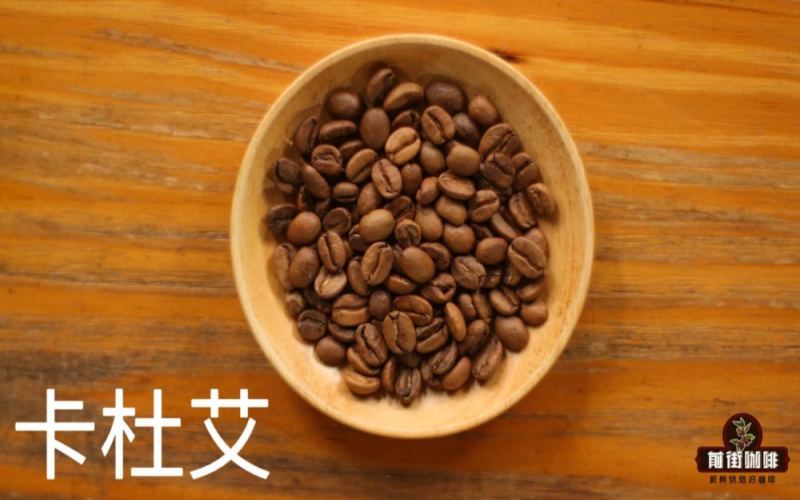
Complete Guide to Catuai Coffee: Variety Origins, Flavor Characteristics, and Pour-Over Brewing Instructions
Catuai is a well-known coffee variety developed in Brazil, bred from a cross between Mundo Novo and Yellow Caturra, combining high yield, resistance to wind and rain, and fine acidity. In the Guarani language, its name means "very good," and it is widely cultivated in Brazil and across Central American countries. This article traces the origin and spread of Catuai, explains why it is often found alongside Caturra, and, using the natural-process Catuai from Elida Estate in Panama as an example, shares Front Street Coffee's brewing parameters and flavor profile to give you a comprehensive understanding of this variety. [more…]
Is Caturra Part of the Arabica Family? A Complete Guide to the Origins and Key Characteristics of the Caturra Variety
Many coffee enthusiasts, once they get into specialty coffee, begin to pay attention to information such as origin, processing method, and variety. Coffee varieties are broadly divided into two major categories, Arabica and Robusta, but the differences behind the two are often overlooked. This article, from the perspective of Front Street, sorts out the origin of the Arabica species and the context of its subspecies, and focuses on Caturra—it originates from a natural mutation of Bourbon, has a short plant, is easy to pick, has better disease resistance than the parent species, and has higher yield, and is widely planted in Central and South America. The article will also mention common varieties such as Typica, Bourbon, and Geisha, as well as related Front Street products and brewing suggestions, to help readers build a more complete understanding of varieties. [more…]
What Exactly Does Arabica Coffee Refer To? A Full Analysis from Variety Origins to the Flavors of the World's Mainstream Coffee Beans
When buying coffee, what exactly does "Arabica," which frequently appears on packaging, mean? It is not a coffee brand from any particular country, but an important botanical variety of coffee. This article, from the perspective of Front Street Coffee, sorts out the differences between Arabica, Robusta, and Liberica, explains why Arabica can account for more than seventy percent of global production, and clarifies its connection to specialty coffee. At the same time, the article introduces one by one the common Arabica branch varieties on the market—Typica, Bourbon, Caturra, Catuai, SL28 and SL34, Geisha, Ethiopian heirloom varieties, and Catimor—combining the origin, altitude, processing method, and brewing flavor of various representative beans from Front Street to help coffee enthusiasts build a clear framework for understanding varieties. [more…]
The Origin of Coffee, Ethiopia: A Complete Analysis of the Flavors of Arabica Native Heirloom Varieties Such as Yirgacheffe and Sidamo
Ethiopia is widely recognized as the birthplace of Arabica coffee, home to the world's richest variety of native coffee species and genetic resources. This article begins with the country's geography and cultivation history, outlines Ethiopia's unique standing in the coffee world, and highlights the flavor characteristics of two representative producing regions: Yirgacheffe and Sidamo. Yirgacheffe is known for its citrus-lemon acidity and jasmine floral aromas, with washed and natural processing each offering distinct styles; Sidamo, thanks to its diverse terrain and soils, presents a wide range of flavors including florals, nuts, and cocoa. Whether you are a coffee enthusiast just getting started or a seasoned drinker looking for Front Street Coffee's recommended beans, this article will guide you into a deeper understanding of what makes this coffee homeland so captivating. [more…]
Overview of Common Varieties in Indonesian Coffee Regions: From S795 to a Analysis of Distinctive Flavors
Indonesian coffee is known for its unique flavors and growing conditions, and its common variety composition also differs from other producing regions. This article focuses on the coffee varieties widely planted in Indonesia, with emphasis on the origin, cultivation advantages, hybridization background, and flavor characteristics of S795 (locally called Jember), and also mentions major producing regions such as Bali and Sulawesi. By sorting through this background information, it helps coffee lovers understand the varietal logic of Indonesian coffee, while also retaining related recommendations and product information from the Front Street brand. [more…]
The Diverse Applications of Robusta Coffee Beans and an Analysis of the Controversial Causes of Their Bitterness
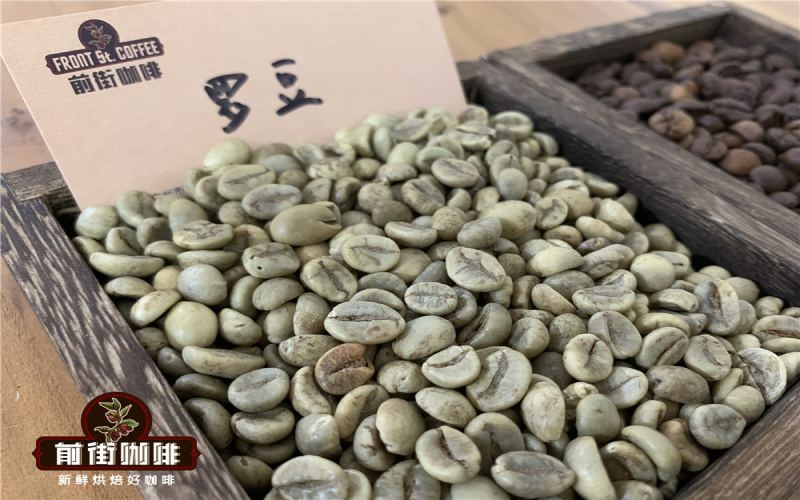
Robusta is often labeled as "bad-tasting" and "high in caffeine," but few delve into why it is still so widely used. Front Street believes that to understand this variety, one must start with its botanical characteristics, historical role, and practical uses. Robusta is naturally resistant to pests and diseases, high-yielding, and low-cost, making it suitable for commercial mass production, and thus widely used in instant coffee and espresso blends. Its bitterness mainly stems from high chlorogenic acid and low sucrose, but this does not mean all Robusta is of poor quality—Indian Royal Robusta demonstrates a clean flavor profile. Front Street's commercial blend coffee beans include 10% washed Robusta, combined with Colombian and Brazilian beans, producing espresso with rich crema, strong nutty aroma, creamy fullness, and bitterness that dissipates quickly. This article will comprehensively analyze Robusta's uses and controversies. [more…]
A Complete Guide to Colombia's Coffee Region Classification System, Variety Flavors, and Brewing Recommendations
Colombia, with the unique terroir conditions of the Andes Mountains, has become an important producer of high-quality coffee worldwide. Its coffee-growing regions are widely distributed from north to south, and different areas exhibit distinctive flavor profiles due to differences in altitude, climate, and soil. This article systematically reviews the flavor characteristics of Colombia's main coffee-producing regions such as Medellin, Santander, and Huila, introduces the origins and characteristics of six major varieties—Caturra, Typica, Bourbon, Colombia, Castillo, and Tabi—and details the grading standards based on defect rate and bean size. In addition, it will analyze the effects of processing methods such as washed, anaerobic natural, and anaerobic enzyme-washed on flavor, and include Front Street Coffee's brewing parameters and tasting references, providing coffee enthusiasts with a complete guide to Colombian coffee knowledge. [more…]
What exactly are Arabica coffee beans? A full analysis from variety origins to Typica, Bourbon, Caturra, and Catuai
People often say "100% Arabica," but what exactly does Arabica refer to? Is it a country, a producing region, or a coffee variety? In fact, Arabica is just one of the three major coffee species, the other two being Robusta and Liberica, and Arabica is widely used in specialty coffee due to its outstanding flavor. Its caffeine content is about 0.8%-1.5%, yet it accounts for about 75% of global production, but its growing conditions are demanding—it is vulnerable to frost, drought, and leaf rust. In this article, Front Street Coffee will guide you through the origin of the name Arabica, its spread and history, and the common varieties derived from it, such as Typica, Bourbon, Caturra, and Catuai, along with the origin and flavor information of representative coffee beans for each variety, to help you choose your ideal coffee more clearly. [more…]

Arabica Specialty Coffee Bean Analysis: The Origins, Flavors, and Variety Characteristics of Typica and Bourbon
Arabica has long enjoyed a reputation as coffee royalty, not only for its outstanding flavor but also because its ancient derivatives, Typica and Bourbon, are two of the most commercially valuable pillars of specialty coffee. From the perspective of Front Street Coffee, this article systematically reviews the origin distribution, growing conditions, and flavor performance of the Arabica species, and takes an in-depth look at the origin stories, plant morphology, and cupping characteristics of varieties such as Typica, Bourbon, Caturra, Catuai, Pacas, SL28/SL34, Geisha, Villa Sarchi, and Maragogype, helping coffee lovers fully understand the ins and outs of these classic varieties. [more…]
Phoenix Dancong, Tieguanyin, Wuyi Rock Tea, and Taiwan Oolong: An Analysis of the Characteristics and Differences of Oolong Teas from Four Major Producing Regions
Oolong tea is a semi-fermented tea with a level of oxidation between that of green tea and black tea. Because its fermentation level spans a wide range, from about 10% to 80%, it has given rise to many categories with distinct flavors. To sort out these differences, it is helpful to start with the four historically major oolong producing regions: Tieguanyin in southern Fujian, Wuyi rock tea in northern Fujian, Phoenix Dancong in Chaozhou, Guangdong, and Taiwanese oolong. Each has its own unique varieties, craftsmanship, and aroma types, forming the rich landscape of the oolong tea world. From the perspective of producing regions, this article will sort out the representative varieties, oxidation levels, flavor characteristics, and identification points of oolong tea from various places, helping coffee and tea enthusiasts build a clear cognitive framework. [more…]